
- All
- Product Name
- Product Keyword
- Product Model
- Product Summary
- Product Description
- Multi Field Search


Views: 0 Author: Site Editor Publish Time: 2026-10-12 Origin: Site


Buying industrial equipment represents a massive capital investment. Finding transparent pricing online often feels like a frustratingly opaque process. Prices vary wildly across the market. A basic model might cost a mere $100. Conversely, a highly specialized, heavy-duty configuration can easily exceed $50,000. In this comprehensive guide, we will explore the exact costs associated with an Industrial Gearbox. We will break down the precise mechanical variables that influence these figures. Ultimately, you will learn how to navigate quotes effectively. You will discover how to choose a budget-friendly option without ever sacrificing mechanical reliability.
Key Takeaways
Recent market analyses reveal a distinct shift in the power transmission sector. Global energy regulations are tightening across industrial sectors. Meanwhile, raw material costs for cast iron and steel continue to fluctuate. Consequently, modern procurement teams are pivoting toward high-efficiency units. Buyers are increasingly willing to absorb a higher initial purchase price to secure long-term operational savings. Furthermore, the integration of smart sensors for predictive maintenance is slightly raising upfront costs but drastically reducing unexpected downtime expenses. When budgeting for power transmission components, engineers and buyers still need immediate baseline figures. The final cost remains directly proportional to size, torque capacity, and intended application.
Small and Light-Duty Reducers: $50 to $500
These fractional-horsepower reducers are mass-produced. You will often find them driving light automation lines, small conveyor belts, or packaging machinery. They typically feature standard aluminum or light cast-iron housings. They offer basic speed reduction without stringent precision requirements. This simplicity keeps manufacturing costs incredibly low.
Medium-Duty Industrial Gearboxes: $500 to $5,000
This category represents the standard workhorses of the manufacturing sector. Facilities use them extensively in material handling, industrial mixers, and automated assembly lines. These units feature robust cast-iron housings, hardened steel gears, and higher torque capacities. Prices will naturally fluctuate based on the specific internal arrangement and energy efficiency ratings.
Heavy-Duty and Custom Configurations: $10,000 to $50,000 and above
Engineers design these massive units for extreme operational environments. Typical applications include mining operations, cement production, and heavy metallurgy. The steep price tag in this tier accounts for the sheer volume of raw materials. It also covers specialized heat treatments, advanced forced-lubrication systems, and rigorous quality testing required to ensure structural integrity under massive, continuous loads.
The internal mechanical design of a transmission unit is the primary driver of its manufacturing expense. Different gear types require vastly different machining processes, tolerances, and materials. Below is an objective breakdown of how the specific design influences the overall cost.
| Gear Type | Estimated Cost Range | Mechanical Efficiency | Ideal Application |
|---|---|---|---|
| Worm Gear | $100 - $1,500 | 50% - 80% | Light conveyors, intermittent duty |
| Helical Gear | $500 - $5,000+ | 94% - 98% | Continuous manufacturing lines |
| Bevel Gear | $800 - $7,000+ | 90% - 95% | Space-constrained right-angle setups |
| Planetary Gear | $1,000 - $15,000+ | 85% - 95% | Precision robotics, high-torque heavy equipment |
Widely recognized as the most budget-friendly option in the power transmission market, a Worm Gear Reducer generally costs between $100 and $1,500. Its lower price point stems from a relatively simple internal design. It consists of a steel worm screw meshing directly with a bronze worm wheel. Because it requires fewer moving parts and standard machining techniques, production expenses remain low. In contrast, buyers must be aware of the mechanical trade-offs. Worm gears operate on sliding friction. This generates significant heat and results in lower mechanical efficiency. While the initial capital expenditure is minimal, the hidden cost of energy loss over time can be substantial.
Regarded as the industry standard for continuous-duty applications, helical models cost more upfront. Typically, they range from $500 to over $5,000. The price increase is a direct result of the complex manufacturing process required to cut angled teeth that engage gradually. This precision machining results in smoother operation, higher load capacities, and significantly less vibration. More importantly, a Helical Gear Reducer operates on rolling friction. For facilities running equipment around the clock, the moderate increase in initial cost is rapidly offset by drastic reductions in electrical power consumption.
Engineered specifically to transmit power at a 90-degree angle, bevel units range from $800 to $7,000 or more. The manufacturing of these components requires specialized, high-precision gear cutting machinery. The complex geometry necessary to ensure smooth meshing at right angles inherently drives up production costs. Specifically, a Bevel Gear Reducer is essential for space-constrained industrial setups where a standard inline unit simply will not fit. Buyers essentially pay a premium for spatial efficiency.
Representing the pinnacle of compact power transmission, a Planetary Gear Reducer commands a high price. The design features a central sun gear, multiple planet gears, and an outer ring gear. Because the load is distributed evenly across multiple gear meshes simultaneously, planetary systems deliver incredible torque density and exceptional precision with extremely low backlash. The steep cost is a direct result of the complex internal assembly. It demands ultra-tight machining tolerances and the premium materials needed to handle such concentrated forces.
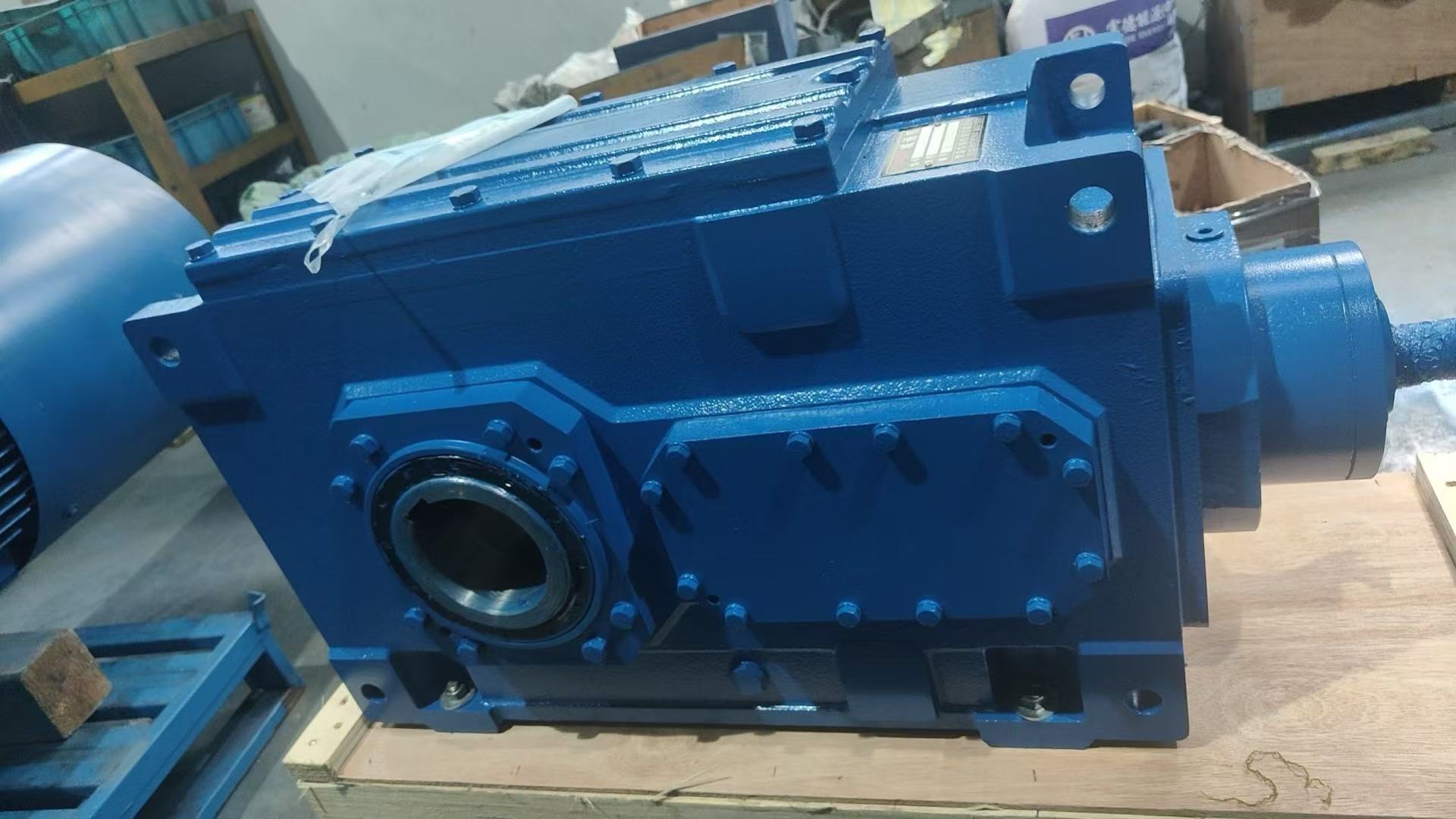
Beyond the basic gear type, several technical specifications dictate the final price tag. Understanding these factors allows procurement teams to evaluate quotes objectively. It helps you avoid paying for unnecessary specifications.
The fundamental rule of mechanical power transmission is that higher torque requires stronger, larger components. To prevent mechanical failure under heavy loads, a high-torque unit must be constructed with thicker steel shafts, larger gear diameters, and massive cast-iron housings. For instance, top-tier industrial series can handle power ratings from 1.5 kilowatts up to a staggering 5366 kilowatts. When your application demands output torque reaching 470,000 Newton-meters, the sheer volume of high-grade steel required will naturally drive the price into the premium tier.
Speed reduction dictates your mechanical advantage. Achieving a broad ratio range, such as 1.25 to 450, cannot typically be done with a single gear set. Engineers must design multi-stage configurations. They house two, three, or even four sets of gears within a single unit. Each additional stage requires more internal components, additional bearings, longer shafts, and a larger external housing.
The operational environment dictates the materials used. This heavily impacts pricing. Standard industrial applications in dry, indoor environments utilize standard cast-iron housings and carbon steel gears, keeping costs moderate. Furthermore, units deployed in food processing, chemical plants, or marine environments require specialized materials. Upgrading to stainless steel housings, utilizing anti-corrosive coatings, or specifying food-grade synthetic lubricants will significantly inflate the final quote.
Units designed to accept ultra-high input speeds require specialized internal engineering. High speeds generate excessive heat and centrifugal forces. To mitigate this, manufacturers must utilize premium-grade bearings, dynamically balanced shafts, and advanced forced-lubrication systems to prevent premature failure. These high-speed tolerances demand rigorous quality control, driving up the price.
When replacing an existing unit or designing a new machine, buyers face a critical choice. Should you purchase a standard off-the-shelf unit or invest in a custom-engineered solution?
Standard units are mass-produced to generalized specifications. They offer the lowest initial cost, immediate availability, and easily accessible replacement parts. However, they are not tailored to exact spatial or performance parameters. In retrofit scenarios, utilizing a standard unit might require costly modifications to the existing machinery. You might need to design custom mounting brackets or alter shaft couplings.
Custom-engineered solutions are built to meet the exact dimensions, torque curves, and environmental conditions of a specific application. They function as perfect drop-in replacements. This eliminates the need for machine modifications and optimizes the system to minimize wear. The downside is that they require higher upfront engineering and tooling costs, alongside longer lead times for production.
For common, non-critical applications like standard conveyor belts, off-the-shelf units are the most cost-effective choice. Ultimately, for specialized robotics, high-stress mining equipment, or replacing obsolete machinery where standard sizes no longer exist, investing in a custom-made solution offers superior long-term financial efficiency.
When evaluating quotes, procurement teams often focus entirely on the initial purchase price. However, industry data consistently demonstrates that the upfront capital expenditure represents only a small fraction of the total cost of ownership over a ten-year lifespan. To make a truly budget-friendly decision, buyers must account for the hidden operational expenses that accumulate long after the equipment is installed.
The most significant hidden cost in power transmission is energy consumption. Different gear designs offer vastly different mechanical efficiencies. This directly impacts your electricity bill. For example, a standard worm gear is highly affordable upfront. Yet, its sliding friction design typically yields an efficiency rate of only 50 to 75 percent. In contrast, high-quality helical designs utilize rolling friction, consistently achieving efficiency ratings between 94 and 98 percent.
Imagine a facility operating a 10-horsepower motor continuously for 24 hours a day, 300 days a year. The energy wasted by an inefficient unit can cost thousands of dollars annually. Over a five-year period, the electricity savings generated by switching to a more efficient unit will almost always eclipse the initial price difference.
In industrial manufacturing, the cheapest unit becomes your most expensive liability if it fails unexpectedly. Unplanned downtime in critical sectors can cost tens of thousands of dollars per hour in lost production. When assessing prices, you are effectively paying for reliability and peace of mind. A robust, well-engineered unit minimizes the risk of sudden catastrophic failure. It ensures that your production lines remain operational and profitable.
Selecting the optimal equipment requires balancing mechanical requirements with budget constraints. Oversizing wastes capital, while undersizing leads to premature failure. Following a systematic selection process ensures you only pay for the performance you actually need.
The foundation of cost-effective selection is accurate mathematical calculation. You must determine the exact output torque and output speed required by your driven equipment. Purchasing a unit with a significantly higher torque capacity than necessary needlessly inflates your expenses. Work closely with your engineering team to define the precise operational parameters before requesting quotes.
The American Gear Manufacturers Association defines a service factor as a multiplier applied to the required torque. It accounts for shock loads, continuous operation, and environmental stress. A uniform load operating eight hours a day might require a service factor of 1.0. A heavy shock load operating continuously might require a 2.0 service factor. Accurately applying this metric prevents you from buying a fragile unit that will break, or an overly massive unit that breaks your budget.
Sometimes, shifting to a different gear technology is the smartest financial move. For instance, if your application requires high torque in a compact space, you might initially look at a planetary setup. However, these are premium-priced units. If space permits, consulting with a manufacturer might reveal that a combination helical-bevel unit can deliver the required torque at a fraction of the price.
Industrial transmission systems act as the beating heart of mechanical operations. When a primary drive stops, production stops. Therefore, shifting your procurement mindset from finding the cheapest price to maximizing long-term value is essential for sustainable profitability.
The longevity of a transmission unit is largely determined by the quality of its internal components. Premium manufacturers utilize high-grade alloy steels that undergo advanced heat treatment processes, such as carburizing and quenching. This creates gears with an incredibly hard, wear-resistant outer surface and a tough, shock-absorbing inner core. Cheaper alternatives often skip these time-consuming metallurgical processes. This results in brittle gears that shear under heavy stress.
After heat treatment, high-quality gears undergo precision grinding to meet strict quality standards. Precision grinding ensures that the gear teeth mesh perfectly. This minimizes sliding friction, drastically reduces operating noise, and prevents localized stress concentrations. A well-ground gear set will distribute loads evenly, allowing the machinery to operate smoothly for over a decade. Poorly machined gears will generate excessive heat and vibration, often tearing themselves apart within a few short years.
When you evaluate the total cost over a decade, the math heavily favors quality. A $3,000 high-quality unit that lasts twelve years with minimal maintenance is exponentially cheaper than a $1,500 unit that requires replacement every three years. By investing in premium engineering, robust housings, and high-efficiency designs, you are effectively purchasing an insurance policy against future mechanical failures and operational losses.
Generally, the industry standard rule of thumb is the 60 percent rule. If the estimated cost to repair the equipment exceeds 60 percent of the cost of a brand-new unit, replacement is the more cost-effective choice. A new unit provides a fresh warranty, updated sealing technology, and zero hidden wear. A repaired unit may still harbor microscopic metal fatigue in non-replaced components.
Planetary units command a higher price because of their intricate internal engineering. They require multiple precision-cut gears that must all mesh simultaneously with near-zero tolerances. This complex manufacturing process provides unmatched torque density and extremely low backlash in a very compact footprint. This makes them highly valuable for precision robotics and heavy-duty automation.
The lifespan depends heavily on the application, environmental conditions, and maintenance schedule. However, with proper sizing, correct service factors, and strict adherence to lubrication protocols, a high-quality unit should last between 10,000 and 50,000 operating hours. In many well-maintained facilities, premium setups routinely operate for ten to fifteen years before requiring a major overhaul.
Usually, yes. Achieving a very high reduction ratio often requires the manufacturer to add additional gear stages inside the housing. Moving from a single-stage to a double or triple-stage design means adding more gears, more shafts, and more bearings. All of this must be housed within a larger, heavier casing. This increase in raw materials and manufacturing complexity naturally drives up the final purchase price.
To calculate the correct size, you need to know your motor's input horsepower or kilowatts, the desired output speed, and the nature of the driven load. First, divide the motor's input speed by your desired output speed to find the required ratio. Next, calculate the required output torque. Finally, apply the appropriate service factor based on your application's shock load and daily operating hours. This adjusted torque value dictates the physical size of the unit you need.
In industrial terminology, these terms are often used interchangeably, but there is a slight technical distinction. A gearbox is a generic term for any enclosed system of gears that transmits mechanical power. A gear reducer is a specific type designed explicitly to reduce the input speed from a motor while simultaneously multiplying the output torque. Almost all industrial reducers are gearboxes, but not all gearboxes are reducers.
Ready to upgrade your power transmission system? Stop guessing with generic estimates. Whether you need a standard unit or a custom-engineered solution, selecting the right equipment is crucial for your bottom line. Explore high-performance, budget-friendly options directly tailored to your industry. Visit Huake Gearbox to find the exact specifications you need and request a detailed quote today.


