
- All
- Product Name
- Product Keyword
- Product Model
- Product Summary
- Product Description
- Multi Field Search


Views: 0 Author: Site Editor Publish Time: 2026-11-06 Origin: Site


A new gearbox should not make unusual sounds. But what causes unexpected gearbox noise during initial operation? The reasons may include gear meshing, bearing clearance, poor lubrication, or installation errors. This guide explains common causes, inspection methods, and practical solutions. You will learn how to identify abnormal noise and improve gearbox performance.
A new reducer can produce noise for several reasons. Some relate to its internal transmission components. Others come from installation or operating conditions.
The key is identifying whether the sound is normal. Engineers should also consider when the noise appears. Its frequency, intensity, and changes provide useful diagnostic clues.
Some gearbox noise is normal during initial operation. Meshing gear teeth create sound as they transfer mechanical power. Bearings and rotating components also produce operating noise.
The sound may change as rotational speed increases. A steady humming or light gear whine does not always indicate damage. However, the noise should remain within the manufacturer's specified limits.
Grinding, repeated knocking, or rapidly increasing noise deserves attention. Stop the equipment if severe vibration or abnormal heating occurs. Follow the manufacturer's inspection instructions before restarting.
Gear meshing accuracy directly affects transmission smoothness. Each tooth must engage correctly with its mating tooth. Poor contact can create uneven forces and vibration.
Manufacturing deviations may affect tooth profiles and spacing. Incorrect assembly can also change the contact pattern. These problems may produce high-pitched gear whine during rotation.
A proper inspection checks tooth contact and machining quality. Engineers should review manufacturing tolerances and assembly records. Consistent gear engagement supports stable transmission performance.
Bearings support rotating shafts inside the reducer. Their clearance and positioning influence operating stability. Incorrect preload can create excessive friction or unwanted movement.
Excessive clearance may allow shafts to move unexpectedly. Insufficient clearance can increase internal pressure and heat. Both conditions may produce bearing noise and vibration.
Assembly accuracy also matters during commissioning. Improper seating, contamination, or damaged bearing surfaces can cause problems. Engineers should inspect suspicious bearings before continued operation.
Lubrication reduces friction between gears and bearings. It also helps control heat during operation. Incorrect lubricant selection may increase friction and transmission noise.
Insufficient oil can prevent proper lubrication. Excessive oil may increase churning losses and operating temperature. The correct quantity depends on gearbox design and mounting position.
Lubricant viscosity must also match operating conditions. Check the manufacturer's recommendations before adding or replacing oil. Inspect for leakage, contamination, and unusual metal particles.
Tip: Record the lubricant type, quantity, and initial operating temperature during commissioning. These records help identify lubrication-related changes.
A gearbox can produce noise without an external load. Internal gears and bearings still rotate during no-load operation. Their engagement creates friction and mechanical vibration.
The motor may also contribute to the sound. Cooling fans, bearings, and electromagnetic effects can create humming. Therefore, engineers should identify the actual noise source.
Compare the sound with manufacturer test specifications. Keep rotational speed and testing conditions consistent. Do not assume every no-load sound indicates a gearbox defect.
Shaft misalignment is a common installation-related problem. It occurs when connected shafts do not share the required alignment. Couplings may then transfer unwanted forces.
These forces can increase bearing loads and vibration. They may also affect gear contact during operation. The resulting gearbox noise can become more noticeable under load.
Check coupling alignment, mounting surfaces, and foundation bolts. Verify installation dimensions against the technical drawings. Correct alignment before evaluating internal gearbox components.
Rotational speed influences gear engagement frequency. Higher speeds may make gear whine more noticeable. However, sound intensity also depends on transmission design.
Excessive loads can increase tooth contact forces. Sudden starting and stopping may create additional mechanical stress. These conditions can produce unusual vibration or knocking.
Temperature and working environments also influence performance. Dust, moisture, and unsuitable ambient conditions may affect operation. Always evaluate noise alongside load, speed, and temperature.
Noise Type | Possible Cause | Recommended Inspection |
|---|---|---|
High-pitched whining | Gear meshing or alignment | Check gear contact and alignment |
Grinding noise | Lubrication or component damage | Inspect lubricant and internal parts |
Repeated knocking | Excessive clearance or loose components | Check bearings and mounting |
Humming | Motor or gear transmission | Identify the noise source |
Increasing vibration noise | Misalignment or imbalance | Check alignment and vibration |
Not every operating sound requires maintenance. Buyers should understand the differences between normal transmission noise and potential mechanical faults.
A useful assessment considers sound patterns, operating speed, and load changes. Comparing these factors helps engineers avoid unnecessary disassembly.
Normal gear whine often sounds steady during rotation. Its frequency may increase as rotational speed rises. The sound should remain relatively consistent under similar conditions.
Helical gears use angled teeth for progressive engagement. This design can support smoother transmission under suitable conditions. However, actual noise depends on manufacturing and assembly quality.
Compare measured noise against the manufacturer's specifications. Testing conditions should match the stated reference conditions. Avoid judging performance through sound alone.
Abnormal noise often includes grinding, clicking, or repeated knocking. These sounds may indicate poor lubrication or mechanical contact. Their timing can provide additional diagnostic information.
Sudden noise changes deserve particular attention. A new vibration or metallic sound may indicate component problems. Continued operation could increase mechanical damage.
Record when the noise appears. Note whether it occurs during startup, steady rotation, or stopping. This information helps technicians narrow down possible causes.
No-load operation provides a useful initial reference. It helps engineers observe internal transmission sounds. However, it cannot represent every working condition.
Loading changes tooth contact and bearing forces. Noise may increase when the reducer handles greater torque. Unexpected changes may indicate excessive loads or alignment problems.
Compare no-load and loaded results separately. Follow the manufacturer's testing procedure. Never exceed the rated operating conditions during inspection.
Note: Normal noise levels vary between gearbox designs. Always use product-specific specifications instead of universal sound limits.
Effective diagnosis starts with identifying the noise source. Engineers should inspect the complete drive system rather than the reducer alone.
A structured inspection also prevents unnecessary component replacement. It helps distinguish mechanical faults from installation and lubrication problems.
First, identify whether the sound comes from the motor or gearbox. Couplings and driven equipment may also produce noise. Listening at different inspection points can help.
Record rotational speed and operating load. Note when the sound starts and whether it changes. Compare these observations with initial commissioning records.
Keep testing conditions consistent whenever possible. This improves the reliability of comparisons. It also helps identify changes during subsequent inspections.
Check the lubricant against the recommended specification. Confirm the correct oil quantity for the installation position. Inspect the housing for visible leakage.
Look for unusual contamination or metal particles. These findings may indicate internal wear or damage. However, small amounts of residue must be evaluated against manufacturer guidance.
Check lubrication circulation where applicable. Confirm that oil reaches the required components. Correct any lubrication problem before further testing.
Vibration measurements provide information beyond audible noise. They can help identify imbalance, misalignment, and bearing problems. Measurement locations should remain consistent.
Temperature monitoring also supports fault diagnosis. Unexpected increases may indicate friction or lubrication problems. Compare readings against manufacturer operating limits.
Establish baseline measurements during commissioning. Record vibration and temperature at defined operating conditions. These records make future changes easier to identify.
Inspect foundation bolts and mounting surfaces first. Loose connections can increase vibration during operation. Check whether the reducer sits correctly on its foundation.
Next, examine coupling alignment and shaft positioning. Incorrect alignment can introduce additional radial and axial loads. Verify the installation against approved drawings.
Also check for external mechanical interference. Pipes, guards, and connected components should not create unwanted contact. Correct installation issues before considering internal repairs.
Gearbox structure influences gear engagement and vibration behavior. However, design type alone cannot determine actual noise levels.
Manufacturing accuracy, bearing selection, lubrication, and assembly remain important. Buyers should evaluate measured performance under relevant conditions.
Planetary gearboxes use a central sun gear. Several planet gears transmit power around it. A ring gear completes the transmission arrangement.
Multiple gear engagement points influence vibration behavior. Manufacturing accuracy affects load distribution between the planet gears. Poor assembly may increase transmission noise.
Compact planetary reducers suit various precision applications. Buyers should examine speed, torque, and noise specifications. Actual performance depends on the complete gearbox design.
Helical gears have angled teeth. Their engagement occurs progressively during rotation. This arrangement can support smooth power transmission.
Inline helical reducers are common in industrial drive systems. They can suit equipment requiring continuous operation. Proper alignment and lubrication remain essential.
However, helical gears are not automatically silent. Tooth accuracy, housing construction, and operating speed matter. Buyers should request verified noise test results.
Micro planetary gearboxes serve compact mechanical systems. Their small dimensions support space-limited equipment designs. Precision requirements may be demanding in these applications.
Gear accuracy and bearing quality influence operating sound. High rotational speeds also affect noise characteristics. Proper assembly remains important for stable performance.
When evaluating micro planetary reducers, check the rated speed and torque. Also confirm the specified operating noise. Do not rely solely on product descriptions.
The right gearbox depends on the equipment requirements. Planetary designs may suit compact precision transmission. Inline helical designs may suit industrial drive applications.
Compare output torque, operating speed, and installation space. Also consider mounting direction and maintenance requirements. These factors influence the final selection.
Noise-sensitive applications require documented performance data. Ask suppliers about testing methods and operating conditions. Compare products using consistent measurement standards.
Gearbox Type | Main Characteristics | Typical Applications |
|---|---|---|
Planetary Reducer | Compact structure and torque distribution | Precision machinery |
Inline Helical Reducer | Progressive gear engagement | Industrial drive systems |
Micro Planetary Reducer | Compact transmission arrangement | Small automated equipment |
Once the noise source is identified, engineers can select suitable corrective measures. The solution should address the actual cause rather than simply reducing audible sound.
Installation accuracy, lubrication, and operating conditions deserve attention. Internal component adjustments should follow manufacturer instructions.
Correct shaft alignment helps reduce unwanted mechanical forces. It also supports stable coupling and bearing operation. Check alignment after installation and before commissioning.
The foundation must provide sufficient support. Loose mounting bolts can increase vibration during operation. Inspect the mounting surface for uneven contact.
Use suitable alignment tools during installation. Verify coupling dimensions and shaft positioning. Recheck alignment if abnormal vibration develops.
Always follow the gearbox lubricant specifications. Viscosity and lubricant type affect gear contact and bearing protection. An unsuitable oil may increase friction.
Check the recommended oil quantity and replacement interval. Different mounting positions may require different lubrication arrangements. Never assume every reducer uses the same oil level.
Inspect lubricant condition during routine maintenance. Look for contamination, leakage, and unusual particles. Replace lubricant according to manufacturer recommendations.
Inspect bearings when noise suggests mechanical damage. Check for unusual clearance, rough rotation, or overheating. These symptoms may indicate assembly or wear problems.
Gear contact should also receive attention. Uneven contact may produce vibration and abnormal sound. Internal inspection should follow the manufacturer's maintenance procedure.
Do not disassemble a new gearbox without proper authorization. Document inspection findings before making adjustments. This also helps protect warranty coverage.
Operate the reducer within its rated specifications. Excessive speed or torque can increase mechanical stress. These conditions may produce additional noise.
Avoid sudden starts and stops when the application allows. Smooth acceleration can reduce transmission shock. Follow the motor and gearbox operating instructions.
Review actual operating conditions during commissioning. Confirm that the selected reduction ratio meets equipment requirements. Correct any mismatch before regular production begins.
Noise performance should be considered before procurement. A suitable reducer must match both mechanical requirements and environmental conditions.
Buyers should review technical documentation carefully. They should also evaluate manufacturing quality and inspection procedures.
Ask suppliers whether noise test data are available. Check the measurement distance and testing environment. Confirm the rotational speed and load conditions.
A noise value has limited meaning without testing details. Different methods may produce different results. Buyers should compare equivalent measurements.
Also check vibration specifications where available. Noise and vibration provide different performance information. Evaluating both offers a more complete picture.
Gear machining accuracy affects tooth engagement. Manufacturing deviations may increase vibration and transmission noise. Ask suppliers about relevant inspection procedures.
Bearing quality and assembly accuracy also matter. Confirm how components are inspected before final assembly. Consistent production helps maintain stable product performance.
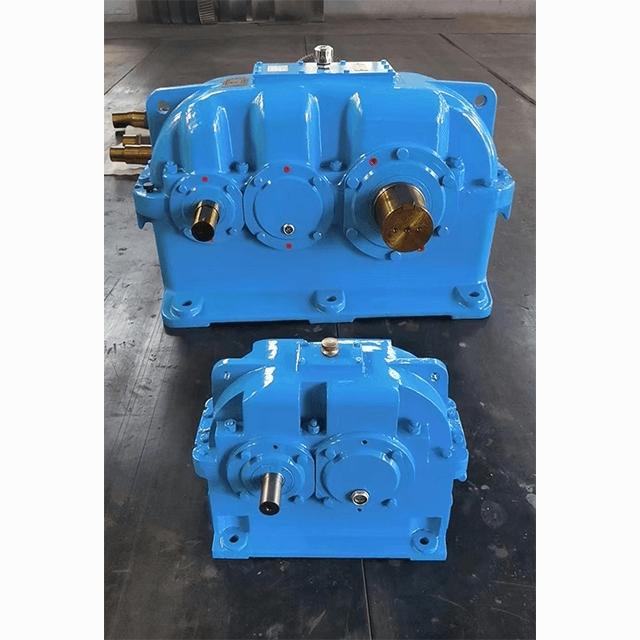
For industrial applications, review suitable transmission options. A hard-tooth cylindrical gearbox may be considered when the application requires cylindrical gear transmission. Its actual noise performance must be confirmed through product specifications.
Check the recommended lubricant and lubrication method. Confirm whether the gearbox uses oil bath or another arrangement. The correct choice depends on its construction.
Housing design can influence vibration and heat dissipation. A rigid housing supports stable component positioning. However, actual performance depends on the complete structure.
Review the operating environment before selecting materials. Dust, moisture, and temperature may affect equipment performance. Confirm that the proposed design suits these conditions.
Request product drawings and technical specifications. Review available inspection records and commissioning instructions. These documents support a more informed purchasing decision.
Ask suppliers how they verify gearbox performance. Confirm whether testing covers noise, vibration, and temperature. Request relevant records for the selected model.
Also clarify warranty conditions and maintenance responsibilities. Confirm spare parts availability and technical assistance arrangements. These details help reduce procurement and commissioning risks.
Gearbox noise may result from gear meshing, bearing issues, lubrication, or misalignment. Proper inspection helps prevent damage and downtime.
Huake Gearbox offers industrial gearbox solutions for different transmission needs. Its product range helps buyers find suitable reducers for stable and reliable equipment operation.
A: Gear meshing, bearing clearance, poor lubrication, or misalignment.
A: Some noise is normal, but grinding requires inspection.
A: Check alignment, lubrication, bearings, and operating loads.
A: Helical and planetary designs can provide smooth transmission. Actual noise depends on manufacturing quality.
A: Inspect unusual knocking, overheating, or increasing vibration promptly.


