
- All
- Product Name
- Product Keyword
- Product Model
- Product Summary
- Product Description
- Multi Field Search


Views: 0 Author: Site Editor Publish Time: 2026-11-07 Origin: Site


A gearbox oil leak can happen even after proper installation. But is a damaged seal always the cause? A gearbox oil leak may result from worn seal lips, shaft damage, incorrect installation, or excessive internal pressure. This guide explains the common causes, inspection methods, and practical repair solutions. You will also learn how to prevent repeated seal failures.
A gearbox shaft seal prevents lubricant from escaping around rotating shafts. It maintains contact between the sealing lip and shaft surface. When this contact becomes unstable, oil can pass through the sealing area.
However, seal damage is only one possible cause. Installation errors, shaft movement, and pressure changes can produce similar symptoms. Identifying the actual cause is essential before starting repairs.
A rotary shaft seal creates a barrier between the gearbox interior and the external environment. Its main purpose is to retain lubricant while allowing the shaft to rotate freely.
Most conventional oil seals include a flexible sealing lip, an outer casing, and sometimes a garter spring. The lip maintains contact against the rotating shaft. The spring helps maintain suitable contact pressure during operation.
The sealing surface must remain clean and correctly positioned. Excessive friction can damage the lip, while insufficient contact may allow lubricant to escape. Both conditions can lead to leakage during normal operation.
Seal lips experience continuous friction during shaft rotation. Over time, this contact can cause material wear. High operating temperatures and unsuitable lubrication may accelerate deterioration.
A worn sealing lip may lose its ability to maintain consistent contact. Small gaps can then develop between the seal and shaft. Oil leakage often appears around the shaft opening.
Aging materials can also become hard or lose flexibility. If the seal has operated under demanding conditions, replacing it may become necessary. However, technicians should inspect the shaft before installing another seal.
The shaft surface directly affects sealing performance. Scratches, corrosion, and circumferential grooves can interrupt contact between the shaft and sealing lip. Even a new seal may leak against a damaged surface.
Repeated seal contact can create a wear track. This becomes more serious when the shaft rotates continuously at high speed. Oil may gradually pass through the damaged contact area.
Replacing the seal alone will not correct this problem. Technicians should inspect the shaft diameter, surface finish, and wear position. A suitable repair sleeve or shaft repair may be required.
Incorrect installation is another common cause of a gearbox oil leak. A seal installed in the wrong direction may fail to retain lubricant. The sealing lip must face the correct side according to the gearbox design.
Uneven installation can also deform the outer casing. Excessive pressing force may damage the sealing lip or spring. These problems can create leakage shortly after commissioning.
Technicians should use suitable installation tools and protect the lip from sharp shaft edges. They should also check the seal dimensions and installation depth before operation.
Gearbox temperature normally increases during operation. As the internal air warms, pressure inside the housing may also rise. A properly designed ventilation system helps control this pressure.
A blocked breather can prevent pressure from escaping. The resulting pressure difference may force oil past the shaft seal. This can happen even when the sealing components remain in good condition.
Inspecting the breather should therefore be part of leakage diagnosis. Technicians should check for dirt, oil residue, and blocked passages. They should also follow the manufacturer's ventilation requirements.
Excessive oil filling can increase internal churning. Rotating components may create additional heat and turbulence. These conditions can contribute to foaming and leakage.
Incorrect lubricant viscosity can also affect gearbox operation. Oil that is too thick or too thin may not provide the required lubrication performance. Operating temperature and gearbox design determine the suitable lubricant.
Always check the manufacturer's recommended oil grade and filling level. Follow the specified filling procedure rather than estimating the quantity. This helps maintain stable lubrication conditions.
Shaft alignment directly affects oil seal performance. When a shaft rotates off-center, the sealing lip may experience uneven contact. One side can wear faster than the other.
Worn bearings may also allow excessive radial or axial movement. This changes the shaft position during operation. The sealing lip may then lose consistent contact with the shaft.
Replacing the seal without correcting these mechanical problems often leads to repeated leakage. Technicians should inspect bearing clearance, shaft runout, and coupling alignment before completing repairs.
Summary of Common Leakage Causes
Cause | Typical Symptoms | Recommended Inspection |
|---|---|---|
Worn seal lip | Oil around shaft | Inspect sealing lip |
Shaft damage | Repeated leakage | Check contact surface |
Incorrect installation | Leakage after replacement | Inspect seal position |
Excessive pressure | Oil pushed past seals | Check breather |
Overfilled gearbox | Foaming and leakage | Verify oil level |
Shaft misalignment | Uneven seal wear | Check alignment and bearings |
Tip: Always identify the leakage source before replacing gearbox seals. This prevents repeated maintenance costs.
Correct diagnosis begins with identifying where the lubricant escapes. Oil around a shaft does not always mean the shaft seal has failed. Leakage may originate from nearby housing joints or connections.
Maintenance teams should clean the gearbox before inspection. They can then observe where fresh oil appears during controlled operation. This approach makes it easier to distinguish different leakage sources.
Shaft seal leakage usually appears around the input or output shaft opening. Oil may accumulate near the rotating shaft and spread across the surrounding housing.
Housing leakage normally develops around static joints. Common locations include inspection covers, end covers, drain plugs, and casing connections. Damaged gaskets or loose fasteners may cause these problems.
Technicians should inspect the highest fresh oil point first. Oil can travel across housing surfaces before dripping. Identifying its original location helps avoid unnecessary seal replacement.
Begin by checking the area around each shaft opening. Look for fresh oil, dirt buildup, and unusual residue. These signs may indicate a sealing problem.
Next, inspect the exposed shaft surface. Check for scratches, rust, grooves, and visible wear tracks. Also observe whether the shaft shows abnormal movement during inspection.
The input and output shafts may operate under different conditions. Their speeds, diameters, and bearing arrangements can vary. Each sealing position should therefore be evaluated separately.
Clean the gearbox exterior before testing. Remove existing oil residue so new leakage becomes easier to identify. Ensure the equipment is safe before performing inspection work.
Operate the gearbox according to its commissioning instructions. Observe the shaft area during the specified operating period. Record the rotational speed, load, and operating temperature.
Compare the observations against the manufacturer's specifications. A small amount of residual oil may come from previous maintenance. Fresh, recurring leakage requires further investigation.
Note: Do not disassemble a new gearbox before checking its warranty conditions and supplier inspection procedures.
Gearbox construction influences shaft support, sealing positions, and maintenance access. Different transmission designs may use different shaft dimensions and seal arrangements.
Worm gearboxes provide a useful example of compact industrial transmission systems. Their housing and shaft configurations affect how seals are installed. However, the transmission type alone does not determine leakage performance.
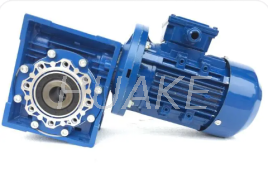
An NMRV worm gearbox commonly uses a compact housing arrangement. Its input and output shafts require suitable sealing components. Correct positioning helps prevent lubricant from escaping during operation.
Worm transmission systems generate heat through gear contact and sliding friction. Operating temperature can influence lubricant behavior and seal material performance. Proper lubrication remains essential.
Maintenance teams should inspect shaft openings and housing connections regularly. They should also confirm that replacement seals match the original specifications.
For suitable applications, buyers can review the NMRV aluminum worm gear box and its construction details before confirming compatibility.
Aluminum alloy housings offer lightweight construction. They are commonly used in compact industrial gearbox designs. Their housing structure also affects mounting and component positioning.
The seal must fit correctly inside its designated housing bore. Dirt, burrs, or damage around the installation surface may prevent proper seating. Uneven installation can create leakage paths.
Technicians should inspect the housing bore before fitting a replacement seal. They should also verify the required seal dimensions and installation depth. Correct assembly helps maintain reliable sealing contact.
Input and output shafts may have different rotational speeds. Their diameters and bearing arrangements can also vary. These differences influence seal selection.
Higher shaft speeds can increase friction at the sealing lip. Meanwhile, shaft loads and movement may affect contact stability. Each shaft position requires suitable sealing specifications.
Buyers should avoid assuming that one seal fits every shaft position. They should confirm the original dimensions and operating conditions. This is particularly important when ordering replacement components.
Seal compatibility involves more than checking the outer diameter. Buyers should confirm the shaft diameter, seal width, and housing bore. The sealing material must also suit the lubricant.
Operating temperature and shaft speed are important selection factors. Dust, moisture, and chemical exposure may create additional requirements. These conditions can influence seal material selection.
The NMRV aluminum shell reducer provides another reference for reviewing gearbox configurations. Buyers should use the actual technical drawings to confirm seal compatibility.
Tip: Provide the gearbox model, shaft dimensions, lubricant type, and operating temperature when requesting replacement seals.
The correct repair depends on the identified cause. Replacing a damaged seal may solve leakage caused by normal wear. However, shaft damage or excessive internal pressure requires additional corrective action.
Engineers should inspect the gearbox before choosing a repair method. They should also follow manufacturer instructions, especially during warranty periods. Unnecessary disassembly may create additional problems.
First, confirm the original seal specifications. Check its inner diameter, outer diameter, width, and material. These dimensions help ensure correct replacement.
Remove the damaged seal carefully. Avoid scratching the shaft or housing bore during removal. Clean the installation area before fitting the new component.
Install the replacement using an appropriate tool. Protect the sealing lip during installation. After assembly, check the shaft area for leakage during controlled operation.
A damaged shaft may continue leaking after seal replacement. Scratches and grooves can prevent consistent lip contact. The affected surface needs inspection before further repairs.
Depending on the damage, technicians may consider shaft polishing or a suitable repair sleeve. More serious damage may require shaft replacement. The selected method must preserve the required dimensions and surface condition.
Avoid excessive material removal. The shaft must remain within its specified dimensional tolerance. Professional evaluation is recommended when the wear is significant.
A blocked breather can increase internal pressure. This pressure may push lubricant through otherwise functional seals. Cleaning the ventilation passage can help restore normal pressure balance.
Inspect the breather for dirt, oil deposits, and physical damage. Replace it if cleaning cannot restore its function. Always use a suitable replacement component.
After servicing, monitor gearbox temperature and leakage. Confirm that ventilation remains effective during operation. Follow the manufacturer's recommendations for inspection intervals.
Check the oil level under the specified inspection conditions. Gearbox orientation and oil temperature may influence the correct reading. Follow the manufacturer's filling instructions.
Drain excess lubricant if the gearbox has been overfilled. Replace unsuitable or contaminated oil according to the recommended procedure. Avoid mixing incompatible lubricant types.
After correcting the oil level, observe the gearbox during operation. Check for abnormal temperature changes and recurring leakage. Record the results for future maintenance.
Preventive maintenance reduces the risk of recurring leakage. It also helps protect bearings, gears, and other internal components. A consistent inspection routine makes potential problems easier to identify.
Always confirm the seal model before installation. Check its dimensions, material, and orientation. Incorrect specifications can cause early leakage.
Use suitable tools to press the seal evenly into position. Avoid direct hammering or excessive force. Protect the sealing lip from sharp edges and installation damage.
Inspect the completed assembly before operation. Confirm that the seal sits correctly in its housing. Check for visible deformation or displacement.
Shaft alignment affects the sealing contact area. Misalignment can create uneven wear and additional vibration. Regular alignment checks help identify these problems early.
Bearing condition also requires attention. Excessive clearance may allow the shaft to move beyond its intended position. This can reduce sealing stability.
Record abnormal vibration and shaft movement during inspections. Investigate sudden changes rather than waiting for visible leakage. Early correction can prevent further mechanical damage.
Check lubricant levels at recommended intervals. Follow the specified filling position and inspection procedure. Avoid excessive filling or incorrect oil grades.
Inspect the gearbox breather regularly. Dust and oil deposits can restrict airflow. A clean ventilation system helps maintain suitable internal pressure.
Monitor operating temperature during normal production. Unexpected increases may indicate lubrication or mechanical problems. Investigate unusual changes before they affect the sealing system.
A maintenance schedule helps standardize gearbox inspections. It should cover oil condition, seal appearance, shaft alignment, and breather condition.
Inspection frequency depends on operating hours and working conditions. Heavy loads, frequent starts, and dusty environments may require closer monitoring. Follow the gearbox manufacturer's recommendations.
Keep records of leakage locations and seal replacements. These records help identify repeated problems. They also support maintenance planning and replacement decisions.
Tip: Record the gearbox operating hours and leakage history. These details help identify recurring seal failures.
Selecting a replacement seal requires accurate technical information. A similar-looking component may not provide the correct fit or operating performance. Buyers should verify compatibility before placing an order.
Check the shaft diameter, housing bore, and seal width. These measurements determine whether the replacement fits correctly. Use original drawings whenever available.
Material compatibility is equally important. Different seal materials have different temperature and lubricant resistance. The working environment should guide the selection.
Buyers should also confirm the sealing lip design. Some applications require additional protection against dust or moisture. The replacement must match the gearbox requirements.
Shaft speed affects sealing lip friction and temperature. High-speed applications may require specific seal designs. Confirm the actual rotational speed before selection.
Operating temperature also matters. Excessive heat may reduce seal flexibility or accelerate aging. Buyers should check the manufacturer's permitted temperature range.
Consider environmental conditions as well. Dust, water, and chemical exposure can affect seal performance. Select materials according to the actual working environment.
Technical drawings provide important dimensional information. They help buyers confirm seal positions and installation requirements. Original specifications reduce the risk of ordering incompatible components.
Check the gearbox model and production identification. Different versions may use different shaft or seal dimensions. Do not rely on appearance alone.
Request confirmation from the gearbox supplier when information is incomplete. This is especially important for older equipment. Accurate specifications help prevent unnecessary purchasing costs.
Buyers should review seal material information and dimensional consistency. Product inspection records can help evaluate manufacturing quality. Clear specifications also make supplier comparisons easier.
Ask suppliers about available technical documentation. Confirm whether they can provide dimensional drawings and material details. These documents support maintenance and procurement decisions.
For industrial gearbox purchases, buyers should also consider the complete transmission system. Housing design, shaft arrangement, and operating requirements all affect long-term performance.
Tip: Request a dimensional drawing and material specification before purchasing replacement gearbox oil seals.
A gearbox oil leak may result from seal wear, shaft damage, incorrect installation, or excessive internal pressure. Proper inspection helps identify the root cause and prevent repeated failures.
Huake Gearbox offers NMRV aluminum worm gear reducers for industrial transmission applications. Choosing suitable gearbox components and maintaining correct installation conditions supports reliable operation.
A: Common causes include seal wear, shaft damage, and excessive internal pressure.
A: Yes. Incorrect positioning or damaged sealing lips can cause leaks.
A: Inspect seals, shaft surfaces, oil levels, and gearbox breathers before repairs.
A: Incorrect installation, overfilling, or blocked ventilation may cause leakage.
A: Replace damaged seals when leakage persists after checking shaft alignment and surface condition.


