
- All
- Product Name
- Product Keyword
- Product Model
- Product Summary
- Product Description
- Multi Field Search


Views: 0 Author: Site Editor Publish Time: 2026-03-28 Origin: Site


Have you ever wondered how to select the perfect size for a worm gear reducer? These compact yet powerful components are essential for many industries, offering high torque and speed reduction in tight spaces. But choosing the right size is crucial to ensure your machinery operates efficiently and lasts longer. In this article, we’ll explore how to determine the right worm gear reducer size based on factors like torque, speed, and specific application needs.
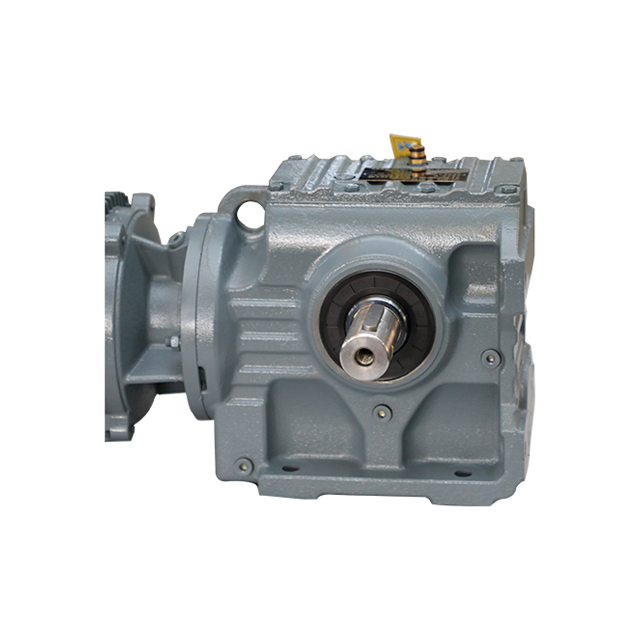
The size of a worm gear reducer directly impacts its performance in any application. A reducer that is too small will not be able to handle the required torque, while one that is too large may be inefficient, increasing energy consumption. The correct size ensures optimal performance, smoother operation, and better energy efficiency.
Incorrectly sized worm gear reducers lead to inefficiencies and potential damage. A reducer that is too small for your application will overheat and wear out faster. On the other hand, an oversized reducer wastes energy, increases the system’s overall footprint, and adds unnecessary costs. It's essential to calculate the exact size for your system’s needs to avoid these pitfalls.
Applications that demand precise size selection include industries like robotics, conveyors, and mining equipment. For example, in robotics, precise speed control is critical, so choosing the right worm gear reducer size is essential to avoid performance issues and ensure reliable operation. Similarly, for mining equipment where high torque is required, oversizing the reducer could lead to excessive power consumption.
The first step in sizing a worm gear reducer is determining the torque your application requires. This depends on the load your system will be driving. To ensure the correct sizing, use the formula:
Torque (Nm) = Force (N) x Distance (m)
By calculating the torque needed, you can match it with the right size reducer that will handle the load without overloading or underperforming.
Another critical factor in sizing is the required gear ratio. Gear ratios determine how much the reducer will slow down the input speed while increasing torque. A higher gear ratio results in more torque but less speed. If your system needs to maintain a certain speed while increasing torque, choose a worm gear reducer with the appropriate gear ratio.
The duty cycle (whether continuous or intermittent) and the load type (light, heavy, variable) must be considered when sizing a worm gear reducer. For continuous duty applications, you’ll need a reducer that can handle constant use without overheating. For variable loads, ensure the reducer can handle fluctuations without compromising performance.
HUAKE provides a range of worm gear reducers designed to meet the unique needs of various industries. The following types are available:
Product Type | Key Features | Ideal Applications |
Lightweight, corrosion-resistant, compact design | Suitable for light-duty applications in industrial environments | |
High-torque capacity, multiple mounting options | Ideal for high-torque, space-constrained applications | |
Superior durability, hardened gears for heavy-duty use | Perfect for industrial machinery requiring heavy-duty torque and performance |
These products are engineered for optimal performance, durability, and efficiency across a variety of applications, ensuring reliable and long-lasting service in tough industrial environments.
Start by calculating the torque needed for your specific application. If your system is designed to carry a certain weight or force, calculate the torque required to move that load and match it with the appropriate worm gear reducer size.
The gear ratio can be determined by evaluating the input speed of your motor and the required output speed. The correct gear ratio ensures the reducer provides the right balance of torque and speed. If the application requires a low-speed, high-torque system, select a reducer with a higher gear ratio. For high-speed applications, a lower ratio might be more efficient.
Selecting the correct mounting and shaft configuration is essential for ensuring that the reducer fits into your existing setup. Worm gear reducers can come in several configurations, such as hollow shaft, solid shaft, or motor-mount options. Choose the one that best suits your application to ensure smooth integration and reliable operation.
Common Worm Gear Reducer Mounting and Shaft Configurations
Configuration | Best For | Key Feature |
Hollow Shaft | Space-constrained applications | Allows for easier integration with existing equipment |
Solid Shaft | Heavy-duty machinery applications | Provides stronger torque transmission |
Motor-Mount | Direct motor coupling | Ideal for compact setups and direct integration |
Selecting the right size worm gear reducer ensures that the system operates at peak efficiency. A properly sized reducer minimizes energy consumption by preventing overloading or underperformance. When a worm gear reducer is too small, it will struggle to handle the load, causing it to work harder and use more energy. On the other hand, an oversized reducer wastes power and creates unnecessary friction, which also increases energy consumption. By choosing the correct size, energy losses are minimized, leading to lower operating costs. In addition, proper sizing ensures smoother operation, reducing the risk of overheating and excessive wear. This ultimately reduces the need for frequent maintenance and part replacements, contributing to long-term savings.
One of the most significant benefits of choosing the correct worm gear reducer size is its positive impact on equipment longevity. An undersized reducer places excessive strain on the system, resulting in faster wear and tear. Over time, this can lead to system failures and the need for costly repairs or replacements. Conversely, when the reducer is correctly sized, it functions within its capacity, reducing unnecessary stress on the system. By reducing the operational load, you extend the lifespan of not only the reducer itself but also the machinery it is connected to. Regularly maintaining a properly sized worm gear reducer ensures its longevity, which, in turn, minimizes downtime and costly repairs, enhancing the overall lifespan of the entire system.
Correctly sizing your worm gear reducer not only ensures optimal performance but also contributes to space optimization in your machinery. A properly sized reducer fits seamlessly into the available space without requiring excessive modifications to your system's layout. This is particularly crucial in industries with tight space constraints, such as robotics or automated systems, where every inch of space matters. Furthermore, a correctly sized reducer ensures that all components, such as the motor and shaft, are compatible and integrate smoothly with one another. This compatibility reduces the risk of design conflicts and installation issues, ensuring your system runs efficiently. By selecting the right size, you can make the most of your equipment's available space and avoid unnecessary bulk, making the entire system more compact and efficient.
Selecting a worm gear reducer that cannot handle the required torque can result in system failure. Conversely, choosing an oversized reducer wastes energy and increases operational costs. Always ensure the torque requirement is calculated correctly.
Every application has unique needs based on the environment, load type, and duty cycle. Ignoring these factors can lead to underperformance or premature failure. Ensure you factor in the specifics of your application when selecting the reducer size.
Manufacturers provide detailed specifications on sizing, torque limits, and efficiency ratings. Failing to consult these specifications can lead to improper sizing. Always follow the guidelines provided by the manufacturer to ensure compatibility and performance.

Online tools and calculators can help you determine the ideal reducer size based on your specific requirements. These tools simplify the sizing process, making it easier to select the correct reducer.
Consulting with engineers or manufacturers ensures that you choose the most appropriate worm gear reducer for your application. Expert guidance helps avoid sizing errors and ensures compatibility with your system.
Over time, it's important to monitor the performance of your worm gear reducer and ensure it continues to operate within the optimal size parameters. Regular maintenance ensures that the system remains efficient and effective throughout its lifespan.
Choosing the right worm gear reducer size is critical for optimizing performance, efficiency, and durability. A properly sized reducer ensures smooth operation, minimizes energy consumption, and extends the lifespan of your machinery. It’s important to calculate the torque, speed, and gear ratio correctly, while also considering mounting options and application-specific needs.HUAKE offers high-quality, durable worm gear reducers designed for various heavy-duty applications, including food processing, mining, and automation. Their products provide efficient, reliable performance, ensuring optimal results for demanding industrial environments.
A: When choosing the right worm gear reducer size, consider factors like torque, input speed, gear ratio, duty cycle, and load type to ensure optimal performance.
A: Choosing the correct size for worm gear reducers ensures efficient operation, reduces energy consumption, prevents overheating, and extends the lifespan of your machinery.
A: Torque is a key factor in sizing worm gear reducers. A reducer must be able to handle the required torque for the application without underloading or overloading.
A: Not all worm gear reducers are suitable for every application. It's important to select one that matches your system's torque, speed, and load requirements to ensure optimal performance.
A: If a worm gear reducer is too small, it will fail to handle the required load. If it's too large, it may lead to energy inefficiency, higher costs, and unnecessary bulk.


