
- All
- Product Name
- Product Keyword
- Product Model
- Product Summary
- Product Description
- Multi Field Search


Views: 0 Author: Site Editor Publish Time: 2026-11-06 Origin: Site


Heavy conveyors demand more than motor power. They need reliable torque and stable transmission under heavy loads. Choosing the right high power reducer is essential for smooth operation. But which gearbox suits your conveyor system? This guide compares gearbox types, torque requirements, and gear ratios. You will also learn how to select a reducer for reliable, long-term performance.
Selecting a high power reducer starts with understanding the conveyor's operating conditions. Different systems require different torque levels, speeds, and transmission arrangements.
A mining conveyor may handle heavy materials continuously. A cement conveyor may face dust and temperature changes. These differences influence the gearbox structure and capacity required.
A heavy-duty conveyor gearbox must transmit motor power reliably. It must also withstand the forces generated during starting and continuous operation. Rated torque, output speed, and load capacity are essential selection factors.
Conveyor resistance changes according to material weight and belt conditions. Starting a fully loaded conveyor often requires more torque than normal running. The reducer must support these operating demands without exceeding its rated limits.
Gear structure also affects performance. Hardened gear teeth, suitable bearings, and a rigid housing support demanding industrial applications. Buyers should evaluate the complete transmission assembly rather than one specification alone.
Note: Always check rated torque and permissible peak loads before selecting a gearbox.
Output torque depends on motor power and reducer output speed. Conveyor resistance, belt tension, and drive pulley dimensions also influence requirements. A correct calculation helps prevent undersized gearbox selection.
T = (9550 × P) / n
Where:
T = Output torque (Nm)
P = Motor power (kW)
n = Output speed (rpm)
Starting conditions require separate consideration. Loaded starting, frequent stopping, and uneven material feeding can increase peak demand. Engineers should provide these details when requesting a gearbox recommendation.
Tip: Provide motor power, output speed, pulley diameter, and maximum conveyor load when requesting quotations.
The gear reduction ratio determines how much the reducer decreases motor speed. A higher ratio generally produces lower output speed. It also increases available output torque, subject to transmission losses and gearbox limits.
For example, a motor running at 1,450 rpm may require a much lower output speed. The required ratio depends on conveyor speed and drive pulley dimensions. Engineers should calculate it before choosing a gearbox model.
The selected ratio must also match the reducer's rated operating range. An unsuitable ratio may cause excessive speed or insufficient torque. Buyers should confirm both input and output requirements.
A bevel helical gear reducer combines bevel and helical gear stages. This arrangement supports power transmission between different shaft directions. It can suit conveyor systems requiring right-angle drive arrangements.
Heavy industrial conveyors often need high torque and reliable continuous operation. Bevel helical reducers can provide a practical solution when their rated capacity matches the application. Their mounting flexibility also helps engineers plan different drive layouts.
Some industrial product ranges include DCY, DBY, and DFY configurations. These represent useful references when comparing conical and cylindrical gear arrangements. However, buyers must verify the actual specifications of each model.
A planetary reducer uses a central sun gear, surrounding planet gears, and a ring gear. Several gears share the transmission load. This arrangement can provide high torque density within a compact structure.
It may suit heavy-duty equipment where installation space is limited. Mining and cement machinery can require substantial torque from relatively compact drive systems. Planetary configurations deserve consideration under these conditions.
However, planetary construction does not automatically make every model suitable. Buyers should compare rated torque, ratio, thermal capacity, and service factor. The complete gearbox specification determines its suitability.
Heavy conveyors may experience sudden load changes. Material falling onto a belt can create additional forces. Frequent starting also increases mechanical stress on transmission components.
A service factor helps account for operating severity. It reflects factors such as duty cycle, shock loads, and starting frequency. Engineers should follow the gearbox manufacturer's selection method.
Continuous operation creates another challenge. Bearings, gears, and lubricant must handle sustained thermal and mechanical loads. The reducer should match the expected operating hours and environmental conditions.
Note: Do not select a gearbox using motor power alone. Starting frequency and load variation also matter.
Reducer mounting must match the conveyor drive layout. Common arrangements include foot-mounted, flange-mounted, and shaft-mounted designs. Each arrangement creates different installation and support requirements.
Output shaft dimensions must match the coupling or driven equipment. Engineers should confirm shaft diameter, keyway dimensions, rotation direction, and connection type. These details prevent unnecessary modifications during installation.
Foundation strength and alignment also affect gearbox performance. Poor alignment can increase vibration and bearing loads. Sufficient installation space helps simplify inspection and maintenance.
Reducer Type | Main Characteristics | Potential Applications |
|---|---|---|
Bevel helical | High torque and flexible shaft arrangements | Mining conveyors |
Planetary | Compact structure and high torque density | Heavy material handling |
Helical | Smooth power transmission | Industrial conveyors |
Cylindrical | Robust industrial transmission structure | Bulk material handling |
After identifying the suitable gearbox structure, buyers must compare its technical specifications. These values determine whether the reducer can handle the conveyor's actual operating requirements.
A high power reducer should match the motor, driven equipment, and working environment. Its rated performance must remain suitable throughout the expected operating cycle.
Motor power determines the energy supplied to the gearbox. Input speed describes how quickly the motor shaft rotates. Both values influence the required reduction ratio and gearbox configuration.
A gearbox must accept the motor's rated input conditions. Buyers should also consider starting methods and possible speed changes. Variable frequency drives may affect the operating range.
The selected reducer should provide enough capacity for the complete drive system. Engineers should check the motor nameplate and gearbox documentation before confirming compatibility.
Rated output torque indicates the torque a reducer can transmit under specified operating conditions. It is one of the most important values in heavy conveyor applications.
Peak torque describes short-term loading beyond normal operation. Starting and sudden material impacts may create these conditions. The gearbox must remain within its permitted overload limits.
Buyers should compare rated torque against calculated conveyor requirements. They should also check permissible radial and axial loads. These loads can affect bearings and output shaft performance.
Gear ratio connects input speed with output speed. It determines how quickly the conveyor drive pulley rotates. The correct ratio helps maintain the required belt speed.
Engineers should calculate the required output speed from conveyor design parameters. Pulley diameter and belt velocity are important inputs. The reducer ratio must then match the selected motor speed.
A suitable industrial gearbox should offer an appropriate ratio range. Buyers should confirm available ratios before finalizing their drive design.
Transmission efficiency describes how much input power reaches the output shaft. Some energy becomes heat during gear transmission. This heat must be managed during continuous operation.
Lubrication helps reduce friction between moving components. Correct oil selection also supports gear and bearing protection. Buyers should follow the manufacturer's lubrication recommendations.
Thermal capacity determines whether the gearbox can dissipate generated heat. High ambient temperatures and long operating hours may increase cooling demands. Engineers should evaluate these conditions during selection.
Tip: Request rated torque, thermal capacity, efficiency, and permitted input speed in the same technical quotation.
A suitable gearbox depends on the material being transported. Conveyor length, operating hours, environmental conditions, and loading patterns also matter.
Industrial buyers should avoid using one gearbox specification for every application. Mining, cement, and metallurgy systems often have different operating demands.
Mining conveyors transport materials such as coal, ore, and crushed stone. These materials can create heavy and changing loads. Their transportation systems may operate for extended periods.
A suitable reducer needs sufficient torque capacity. It should also withstand starting loads and operating shocks. Dust protection and reliable lubrication are important considerations.
Engineers should evaluate conveyor length and material flow. Long systems may require multiple drive stations. Each gearbox must match its position within the complete drive arrangement.
Cement plants use conveyors to move limestone, clinker, and other bulk materials. These systems often operate in dusty industrial environments. Some conveyor sections also experience elevated surrounding temperatures.
Gearbox housing and sealing arrangements deserve careful attention. Dust entering the housing can contaminate lubricant. Poor thermal management may also affect operating stability.
A suitable reducer should match the conveyor's load and operating schedule. Buyers should confirm lubricant specifications and cooling requirements. They should also consider access for routine inspection.
Metallurgy facilities transport raw materials and production components. Some conveyors operate near high-temperature production areas. Others handle heavy materials throughout continuous production cycles.
These conditions influence gearbox selection. Buyers should assess operating temperature, load changes, and installation location. Suitable sealing and lubrication systems help support reliable operation.
Drive arrangement also matters in steel plants. Space restrictions may affect mounting and shaft selection. Engineers should review the equipment layout before confirming the reducer model.
Long-distance belt conveyors require careful drive coordination. Their length increases the importance of starting and stopping control. Material distribution can also affect operating resistance.
Some systems use multiple drive units. Their torque distribution must match the conveyor design. Incorrect coordination may create excessive belt tension or uneven loading.
Engineers should evaluate the entire drive system. Motor control, pulley dimensions, gearbox ratio, and starting sequence must work together. A reducer should never be selected independently of these factors.
Note: Conveyor operating conditions should determine gearbox specifications. Industry names alone cannot establish the required reducer capacity.
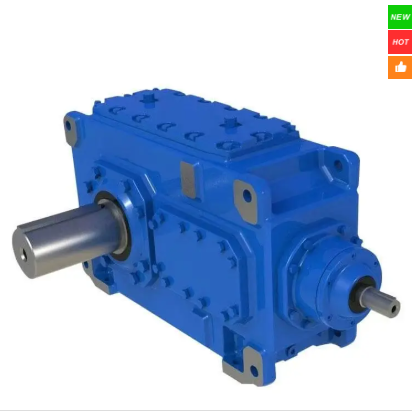
Not every industrial gearbox is designed for heavy conveyor applications. Standard models may suit lighter loads and less demanding operating schedules. Heavy-duty models target more demanding transmission requirements.
The difference involves more than motor power. Buyers should compare torque capacity, gear construction, thermal performance, and operating conditions.
Heavy-duty reducers generally target applications requiring greater torque transmission. Their rated capacity must match the expected mechanical load. Buyers should also consider starting and temporary overload conditions.
Standard industrial gearboxes may work well under moderate operating conditions. However, they may not provide sufficient capacity for heavily loaded conveyors. Actual model specifications must guide the comparison.
Load capacity should include more than the conveyor's normal running load. Engineers must consider starting resistance and possible material accumulation. A suitable service factor helps address these conditions.
Gearbox structures influence torque transmission and installation arrangements. Bevel helical designs support different shaft orientations. Planetary designs offer compact transmission arrangements.
Cylindrical gear reducers use cylindrical gear stages. Their construction can suit various industrial transmission requirements. The appropriate design depends on power, ratio, and operating conditions.
Housing strength, bearings, and gear materials also matter. Buyers should examine manufacturing details and technical drawings. A gearbox's external appearance cannot establish its actual load capacity.
Heavy-duty conveyors may run for long periods. They can also experience repeated starting and changing material loads. These conditions require careful attention to lubrication and thermal management.
Standard gearboxes may require different maintenance schedules. Their suitability depends on rated duty and environmental conditions. Buyers should compare manufacturer recommendations rather than assume all models perform similarly.
A heavy-duty gearbox should match the actual operating environment. Regular inspection remains necessary regardless of gearbox size. Proper maintenance helps identify problems before they cause major downtime.
Comparison Factor | Heavy Duty Reducer | Standard Industrial Gearbox |
|---|---|---|
Load conditions | Demanding and heavy loads | Depends on model capacity |
Torque requirements | Often higher | Application dependent |
Operating schedule | Frequently continuous | Continuous or intermittent |
Shock loads | Requires careful evaluation | Depends on design |
Maintenance | Condition-based inspection | Manufacturer-defined schedule |
Correct selection begins with complete technical information. Buyers should prepare conveyor drawings and operating data before requesting quotations.
Installation planning is equally important. Even a correctly selected reducer can experience problems if mounting and alignment are incorrect.
Start by identifying motor power and input speed. Then determine the required conveyor speed and gearbox output speed. These values help establish the reduction ratio.
Next, calculate the required output torque. Consider conveyor resistance, starting conditions, and expected load changes. Apply the appropriate service factor according to the manufacturer's selection method.
Prepare a technical specification sheet for suppliers. Include duty cycle, operating hours, ambient temperature, and installation arrangement. This makes industrial conveyor gearbox selection more accurate.
Confirm whether the gearbox uses foot, flange, or shaft mounting. The mounting arrangement must match the conveyor structure. Incorrect dimensions can create installation difficulties.
Check output shaft diameter and connection details. Couplings, pulleys, and other drive components must fit correctly. Rotation direction and available installation space also require confirmation.
Review the foundation and support structure. They must withstand the gearbox's weight and operating forces. Proper alignment helps reduce unwanted vibration and bearing stress.
Lubrication requirements depend on gearbox design and operating conditions. Buyers should confirm the recommended oil grade and filling quantity. Oil replacement intervals should follow manufacturer instructions.
Some heavy-duty applications generate considerable heat. High ambient temperatures may increase cooling requirements. Engineers should verify whether natural cooling is sufficient.
Oil level and temperature deserve regular attention. Unusual changes may indicate lubrication or operating problems. Early investigation can prevent further component damage.
Installation should follow the manufacturer's instructions. Check mounting surfaces and foundation conditions before fitting the gearbox. All fasteners should meet the specified tightening requirements.
Coupling alignment is another important step. Incorrect alignment can increase vibration and mechanical stress. It may also shorten bearing service life.
After installation, inspect the system before full-load operation. Check lubrication, rotation direction, vibration, and operating temperature. Record initial conditions for future maintenance comparisons.
Tip: Request installation drawings and gearbox maintenance instructions before equipment delivery.
A gearbox requires regular inspection throughout its operating life. Heavy conveyor systems place continuous demands on gears, bearings, and lubrication components.
Preventive maintenance helps identify early warning signs. It also reduces the risk of unexpected equipment shutdowns.
Lubricant protects gears and bearings from excessive friction. Its condition can change during extended operation. Contamination and oxidation may reduce its protective properties.
Operators should inspect oil levels and appearance regularly. Unusual discoloration or contamination requires further investigation. Oil temperature should also remain within manufacturer limits.
Replacement intervals depend on gearbox design and working conditions. Follow the recommended maintenance schedule. Avoid mixing lubricants without checking compatibility.
Bearings support rotating shafts and maintain correct positioning. Excessive loads or poor lubrication can accelerate bearing wear. Unusual noise may indicate developing mechanical problems.
Seals prevent lubricant leakage and external contamination. Damaged seals can reduce lubrication effectiveness. Regular inspection helps identify these problems early.
Gear components also require attention. Check for abnormal wear, surface damage, and unusual backlash. Record inspection findings to support maintenance decisions.
Vibration monitoring provides useful information about gearbox condition. Changes may indicate misalignment, bearing wear, or gear damage. Operators should compare readings against established baseline values.
Unusual operating noise also deserves attention. Grinding, knocking, or irregular sounds may indicate mechanical problems. These symptoms require investigation rather than immediate assumptions about failure.
Regular monitoring helps maintenance teams identify developing issues. It also supports better maintenance planning. Corrective action should follow a proper technical inspection.
A preventive maintenance schedule keeps inspections consistent. It should cover lubrication, seals, bearings, fasteners, and operating temperature. Inspection frequency depends on working conditions.
Heavy conveyors may require more frequent checks. Dust, vibration, and high ambient temperatures can increase maintenance demands. Manufacturers can provide recommended inspection intervals.
Maintenance records help identify repeated problems. They also support spare parts planning and equipment management. A structured approach improves long-term operating control.
Tip: Keep oil inspection records and vibration readings for each gearbox. Compare them over time to identify unusual changes.
Selecting a supplier requires more than comparing quotations. Buyers should evaluate technical documentation, manufacturing quality, and support capabilities.
A complete purchasing process helps reduce specification errors. It also makes supplier comparisons more objective.
Start by confirming the required gearbox model. Check rated power, input speed, output speed, and gear ratio. Rated torque must match the calculated conveyor requirements.
Request technical drawings and product specification sheets. Review mounting dimensions and shaft configurations. Confirm whether the proposed model supports the intended operating conditions.
For example, the HB Series Industrial Gearbox provides a product reference for evaluating industrial gearbox configurations. Buyers should review its actual technical documentation before making application decisions.
Gear material influences strength and wear resistance. Heat treatment also affects tooth surface properties. Buyers should request relevant material and manufacturing information.
Machining accuracy influences gear contact and transmission quality. Proper inspection helps maintain dimensional consistency. Production quality should be supported by documented procedures.
Ask suppliers about inspection records and quality control. Check whether they inspect gears, bearings, shafts, and finished assemblies. Traceability is also useful for industrial procurement.
Different conveyor systems require different gearbox arrangements. Some projects need specific shaft dimensions or mounting positions. Others have limited installation space.
Buyers should confirm available configurations before ordering. Technical drawings can help identify potential installation conflicts. Samples or engineering reviews may also support project evaluation.
Technical assistance is particularly useful for complex drive systems. Ask whether the supplier can review operating data and specifications. Clear communication helps reduce selection mistakes.
Delivery arrangements can affect project schedules. Buyers should confirm production lead times and packaging requirements. Spare parts availability also deserves attention.
Maintenance documentation helps operators manage equipment correctly. It should cover lubrication, inspection, and replacement procedures. Technical support can help address operating questions.
When evaluating an industrial gearbox supplier, consider technical communication and documentation quality. These factors matter throughout equipment installation and operation. They should form part of the purchasing decision.
Tip: Compare suppliers using the same technical specification sheet. This makes quotations easier to evaluate accurately.
Choosing a high power reducer requires matching torque, speed, load, and operating conditions. Bevel helical and planetary designs offer different transmission advantages. The right configuration depends on conveyor requirements.
Buyers should also evaluate installation, lubrication, and maintenance needs. Accurate specifications help reduce equipment problems and improve operating reliability.
For heavy conveyor projects, Huake Gearbox offers an industrial gearbox product range for consideration. Its H-B Series High Power Reducer provides a product option for buyers evaluating industrial transmission solutions. Requesting technical specifications and confirming application compatibility are essential before purchasing.
A: Bevel helical and planetary reducers suit different heavy-duty applications.
A: Calculate motor power, output speed, torque, and service factor.
A: It helps prevent overload during loaded conveyor startup.
A: It offers compact construction and high torque density.
A: Lubrication, alignment, operating temperature, and regular maintenance.


